N54 vs S55: Reliability and Tuning Capability Breakdown
If you are deciding between the N54 and S55 as a tuning platform, the right answer depends on your target power, risk tolerance, and how much downtime you can accept.
Both engines can make serious power. The real difference is how they behave when pushed, what fails first, and what it costs to keep them healthy.
N54 vs S55 at a glance
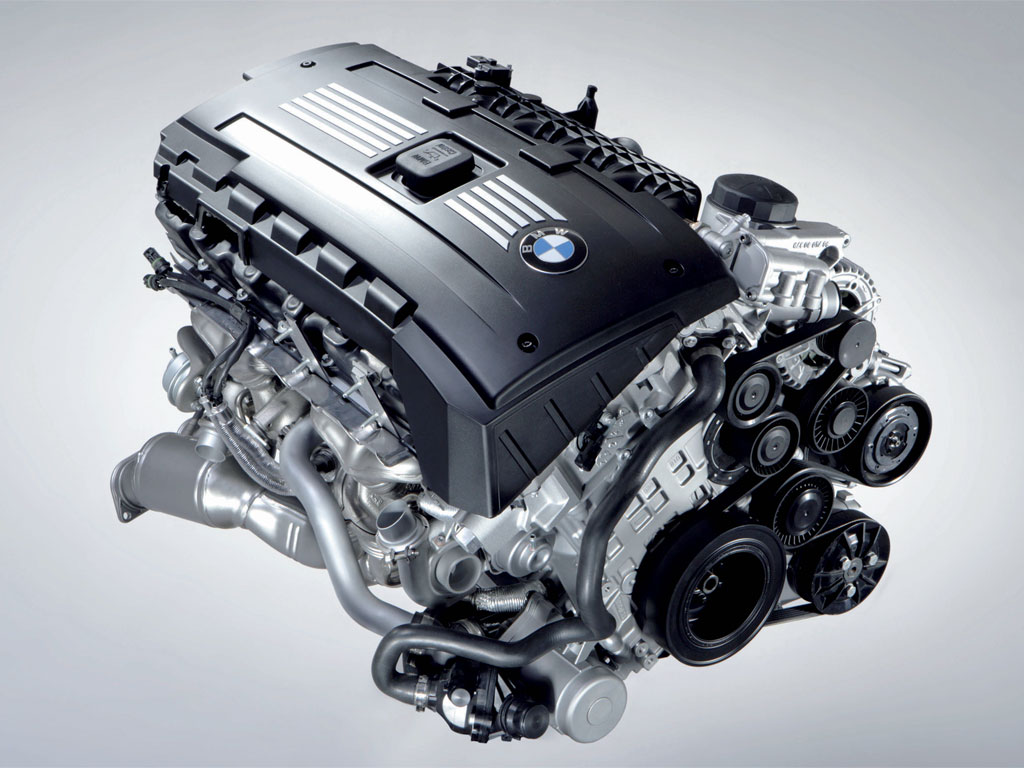
Core architecture: N54 is a 3.0L inline 6 with twin turbos. S55 is a 3.0L inline 6 with twin turbos.
Factory output range: N54 sits in the 300 hp class from factory form. S55 starts much higher, usually in the 425 to 493 hp class depending on model.
Platform age: N54 is older and easier to access in the used market. S55 is newer and tied to M platform cars with higher entry cost.
Common reliability pressure points: N54: HPFP behavior, injector wear, carbon buildup, cooling system wear, gasket leaks, and turbo wear on hard used setups. S55: crank hub concern on high torque and aggressive use setups, plus higher running costs and heat management under repeated load.
Best fit: N54 fits budget focused builds with owners who can wrench. S55 fits higher budget builds that want a stronger modern baseline.
Reliability reality: what ownership feels like
N54 reliability profile
The N54 earned its reputation because it responds extremely well to tuning, but it asks for maintenance discipline. On older cars, most pain points are supporting systems rather than the block itself.
Expect to proactively watch:
- high pressure fuel pump behavior
- injector health and fuel trims
- intake valve carbon service intervals
- electric water pump and thermostat lifespan
- gasket leaks as mileage climbs
- turbo condition on hard used cars
The upside is that N54 service knowledge is deep and the aftermarket is huge. If you buy a good base car and stay ahead of maintenance, it can be a very rewarding platform.
S55 reliability profile
The S55 starts from a stronger factory performance baseline. It was built for M car duty and handles track style load better in stock form than older mainstream turbo BMW platforms.
What owners still need to respect:
- crank hub discussions become more relevant once torque and aggressive calibration strategy increase
- cooling and fluid management still matter on repeated high load use
- replacement parts and mistakes are usually more expensive than N54 ownership
In practice, a conservatively tuned S55 with good calibration and maintenance is a strong package. A poorly calibrated one can become expensive quickly.
Tuning capability: where each platform wins
N54 tuning capability
N54 is still one of the best value turbo BMW platforms for power per dollar.
Why builders still choose it:
- lower chassis entry cost
- large used parts market
- very mature tuning ecosystem
- strong big turbo path when the goal is headline dyno numbers
Tradeoff: you often spend the savings on sorting age related reliability items before the setup is truly dependable.
S55 tuning capability
S55 gives you a higher floor before mods. Even mild setups feel very quick, and the platform scales well with proper supporting hardware and calibration.
Why builders pay more for it:
- stronger stock baseline
- M platform cooling and hardware advantages
- strong results with bolt ons and calibration
- excellent top end when built correctly
Tradeoff: cost to enter is higher and mistakes are more expensive.
Which one should you choose
Choose N54 if:
- you want the most tuning upside per dollar
- you can handle proactive maintenance
- you are comfortable with older platform troubleshooting
Choose S55 if:
- you want a newer M platform foundation
- you plan to track or run repeated high load sessions
- you prefer spending more up front for a stronger baseline
Our recommendation for customer builds
For clients who want strong street performance with manageable risk, we prioritize calibration quality, logging discipline, and conservative torque strategy before chasing peak numbers.
If your goal is maximum power with minimum downtime, the engine choice matters less than the combination of:
- realistic power target
- fuel quality strategy
- thermal management
- calibration quality
- maintenance execution
Start with a clean tuning workflow
If you are ready to move from guesswork to a repeatable process, start with our remote tuning workflow tool:
Redline Autohaus AT1 Remote Tuning Device
If you want, we can map your exact setup and give you a realistic path for power, reliability, and budget before you buy parts.